Helping it heal faster
Treatment puts the tissue back where it belongs. What happens in the weeks afterwards decides how fast it knits, how much scar tissue is left behind, and whether it tears again. Most of that is in your hands, not mine.
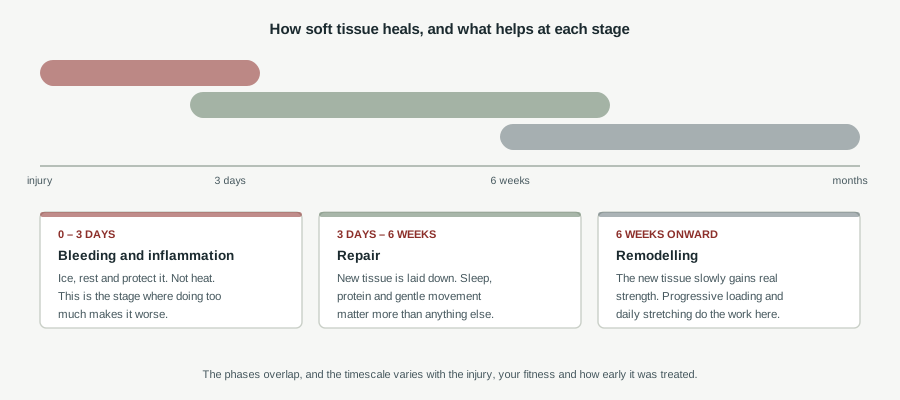
Knowing which phase you are in matters, because the right thing at one stage is the wrong thing at another. Ice helps in the first few days and does nothing much later. Loading helps in the last phase and tears things in the first.
Sleep
This is the one people skip, and it is the largest single lever you have. Most tissue repair happens while you are asleep. Cut your sleep short during the repair phase and you are asking the body to rebuild torn fibres in the few hours you have left it.
If you take nothing else from this page: for the six weeks after a real tear, protect your sleep the way you would protect a training session.
Protein and enough food overall
You cannot rebuild torn fibres without the raw material. Protein is the building block for tissue, and the body has no way to store a surplus, so it needs to arrive regularly rather than in one hit.
Eating too little overall is just as much of a problem. People recovering from an injury often cut their food back because they have stopped training, at exactly the point when the body needs more. If you are trying to lose weight, the middle of a hamstring repair is the wrong time to do it.
More on the vitamins and minerals that matter, and what I stock.
Get your bloods done
Low iron and low magnesium both affect how muscle performs and recovers, and neither has a reliable warning sign you can feel. Persistent tiredness, cramping and flatness in training all have plenty of possible causes, and guessing between them wastes months.
A blood test through your GP will tell you more in a week than a year of trying supplements will. It costs little, and if something is low you will know exactly what to correct rather than taking a shelf of tablets on spec.
Water
Everything on this site comes back to blood supply: oxygen and nutrients in, waste out, bruising dispersed. Blood volume depends on how well hydrated you are. Run dry, particularly in heat, and you also raise the risk of cramp.
Nothing clever here. Drink through the day rather than trying to catch up afterwards, and drink more when you have been sweating hard.
Make it clean, filtered water. A simple jug or tap filter is enough — it takes out chlorine and improves the taste, and people who like the taste of their water drink more of it, which is the whole point. Keep a filled bottle where you will actually see it. Tea and coffee count towards your intake, but soft drinks and energy drinks bring sugar you do not need while you are recovering.
Alcohol and smoking
Both measurably slow soft tissue healing. Smoking narrows the small blood vessels that feed the injured area, which is the exact opposite of what the treatment is trying to achieve. Alcohol interferes with sleep quality even when it helps you fall asleep, and it tends to displace food at the point where you need the protein.
You do not have to be a saint about it. But if you have a serious tear and you want it back quickly, the first six weeks are worth being careful about.
Coming back too early
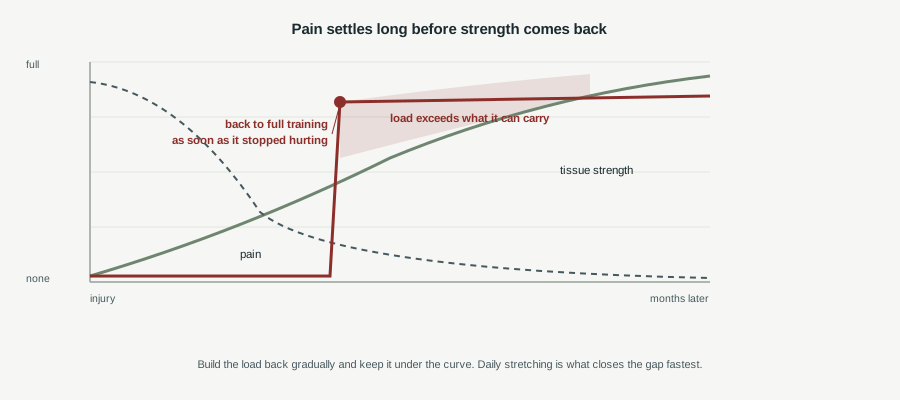
This is the commonest way people undo good treatment. Pain settles a long time before strength comes back, so an injury feels ready well before it is. Go straight back to full training on the day it stops hurting and the load sits above what the tissue can carry.
Build back gradually, and keep stretching daily. Stretching is what stops the fibres shortening and tightening as they heal, and it is the difference between a repair that holds and one that goes again in the same spot.
General information, not medical advice. If you are under care for a medical condition, are pregnant, or take prescribed medication, talk to your doctor before changing your diet, supplements or training.
Book a treatment
Endeavour Hills, Victoria. Phone is the quickest way to reach me; otherwise send a message and I will get back to you.